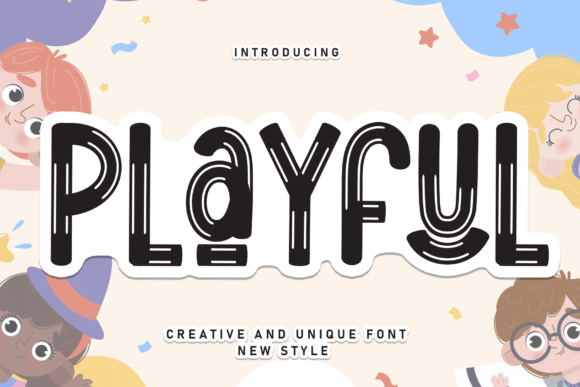
Playful Font: A Display Typeface for Joyful Branding
In the crowded world of digital design, standing out is less about shouting and more about resonating. We are constantly looking for ways to inject personality into our work without sacrificing clarity. If you have ever found yourself scrolling through endless libraries of fonts trying to find something that feels "just right," you know the struggle. You need a typeface that doesn't just sit there but actively participates in the conversation between your brand and your audience. This is where the specific character of a display font becomes crucial. It sets the tone before a single word is read.
Visual Character and Personality
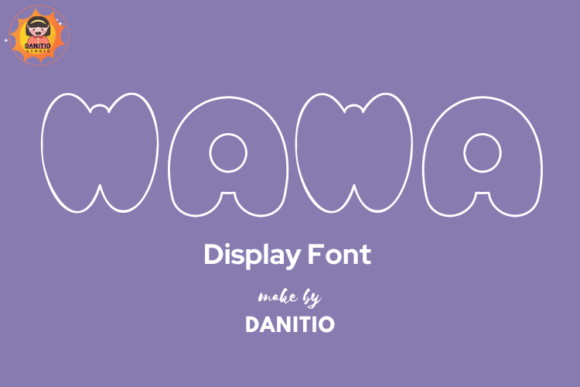
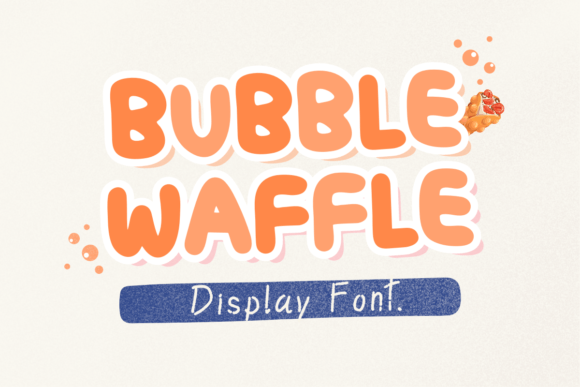
Let’s talk about what makes a typeface truly effective. The Playful font is a prime example of a creative font designed to bridge the gap between professional polish and approachable charm. It isn't just a collection of letters; it’s a vibe. Visually, it strikes a balance that many fonts miss. It avoids the rigidity of a standard sans serif font but doesn't dive so deep into whimsy that it becomes illegible. Instead, it offers a soft, rounded geometry with subtle quirks—maybe a tail on the 'y' that curls just so, or an 'o' that feels slightly wider, inviting the eye to linger.
This typeface carries an inherent warmth. It feels like a handwritten note from a friend, yet it possesses the structure required for modern typography. When you use Playful, you are signaling to your viewer that your brand is human-centric. It suggests creativity, openness, and a bit of fun. For anyone working in brand identity, this is gold. It allows you to break down the barrier of corporate stiffness. It says, "We are professionals, but we are also people you want to talk to."
Real-World Applications for Creators and Brands
So, where does this premium font actually fit into your workflow? The versatility of a display font like Playful is one of its strongest assets. It is not limited to one niche; it adapts to the context you place it in.
- Logo Design and Brand Identity: This is the most natural home for Playful. If you are launching a boutique coffee shop, a children’s clothing line, or a lifestyle blog, this font acts as your visual handshake. It tells potential customers who you are immediately. It works beautifully for logotypes or as a supporting headline font for a serif font or sans serif font body copy.
- Packaging Design: On the shelf, you have seconds to make an impact. Playful helps your product pop. Whether it’s a jar of artisanal jam or a box of eco-friendly soap, this font adds a tactile, handmade quality that suggests care and attention to detail.
- Social Media Graphics: The digital feed moves fast. A creative font helps stop the scroll. Use Playful for Instagram Stories, quote graphics, or sale announcements. Its high energy makes it perfect for short, punchy headlines that need to grab attention instantly.
- Editorial and Web Design: While you wouldn't use a display typeface for body text, Playful is excellent for pull quotes, headers, and sub-headers in editorial design. It breaks up the monotony of reading long-form content and guides the reader’s eye down the page.
Strategic Typography: Influence on Perception
Choosing a font is a strategic decision, not just an aesthetic one. The psychology of modern typography dictates that different shapes evoke different emotions. Sharp, angular fonts often suggest efficiency and technology. Rounded, organic shapes—like those found in Playful—suggest safety, friendliness, and creativity.
By integrating Playful into your web design or print materials, you are actively influencing how your audience perceives your brand's professionalism. There is a misconception that "fun" fonts aren't professional. In reality, a professional designer knows that matching the font to the brand's voice is professionalism. If you are a wedding planner, a stiff, blocky corporate font might actually make you look like you don't understand your market. Playful, however, aligns perfectly with the joy and celebration of the event.
It also aids in visual hierarchy. Because Playful is distinct, it naturally commands attention. Use it for your H1s or key call-to-action phrases, and pair it with a cleaner, neutral typeface for the details. This contrast creates a rhythm in your design that makes the content easier to digest and more enjoyable to consume.
Practical Implementation and Pairing
Adopting a new display font requires a bit of testing. You can't just drop it in and hope for the best. Here is how to ensure Playful works for your specific project:
- Evaluate the Fit: Look at your existing design assets. Does Playful complement your color palette? If your brand is very dark and moody, a bright, bubbly font might clash. However, if your brand is energetic or pastel-based, it will fit like a glove.
- Master the Font Pairing: This is critical. Never pair two display fonts together; they will fight for dominance. Playful pairs exceptionally well with a geometric sans serif font for a modern look, or a classic serif font for a high-contrast, editorial feel. Let Playful handle the headlines and let the secondary font handle the heavy lifting of body text.
- Check Readability: Test the font at various sizes. A good creative font remains legible even when used in larger blocks of text, but always prioritize clarity for essential information like pricing or addresses.
- Licensing and Usage: Since this is a commercial font, ensure you have the correct license for your usage. If you are a small business owner printing on merchandise, you need a commercial license. If you are a designer creating a logo for a client, ensure the license covers end-product usage. Always read the fine print to avoid legal headaches later.
Ultimately, Playful is more than just a typeface; it is a tool for connection. It allows entrepreneurs, bloggers, and designers to inject a sense of joy into their work. Whether you are designing a wedding invitation, a startup website, or a social media campaign, this font helps you communicate with warmth and confidence. It reminds us that design doesn't always have to be serious to be taken seriously. Sometimes, the best way to build a brand is to simply be a little more playful.