Teddy Bear: The Playful Display Font for Creative Projects
When you're working on a project that needs personality, warmth, and a touch of whimsy, the right typeface can make all the difference. Teddy Bear is a fun and cute display font designed to bring a lighthearted, approachable energy to your work. It's not just a collection of letters—it's a design tool that can help you connect with your audience on a more emotional level, especially when your project calls for a friendly, informal vibe.
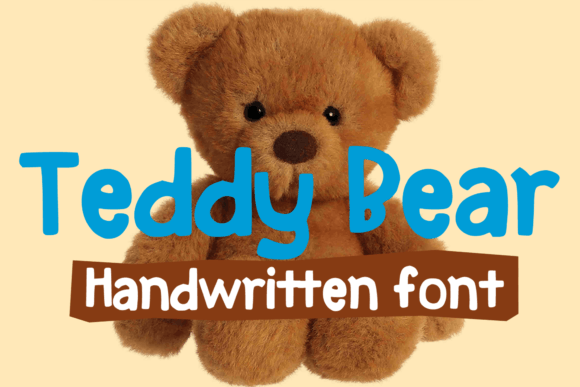
At its core, Teddy Bear is a display font, which means it's crafted for impact rather than extended reading. Think of it as the typographic equivalent of a friendly wave or a warm smile. Its visual characteristics are defined by soft, rounded edges, slightly irregular letterforms that mimic a hand-drawn quality, and a playful bounce in its baseline. The overall personality is approachable, joyful, and youthful, making it a creative font that feels both modern and nostalgic. It avoids the rigidity of many sans serif font families while steering clear of overly complex script font styles, landing in a sweet spot that feels genuine and engaging.
Where Teddy Bear Truly Shines
The strength of a premium font like Teddy Bear lies in its versatility across specific project types. It's not a one-size-fits-all solution, but where it fits, it elevates the design significantly. For anyone in packaging design or creating products for children, this typeface is a natural match. Imagine it on the label of a artisanal jam, the cover of a children's activity book, or the branding for a family-friendly bakery. It communicates care, creativity, and a homemade quality that resonates with parents and gift-givers.
In the realm of brand identity, Teddy Bear can be a secret weapon for businesses targeting a younger demographic or those wanting to project a fun, accessible image. A coffee shop, a toy store, a pediatric dentist's office, or a creative workshop could use it in their logo design to instantly convey their personality. It works beautifully for social media graphics, particularly for Instagram stories, Pinterest pins, or Facebook ads promoting events, sales, or content aimed at families. The font's inherent charm makes posts more shareable and memorable.
Practical Applications for Modern Creators
Beyond branding, consider Teddy Bear for your editorial design projects. While it's not suited for body text in a magazine, it's perfect for pull quotes, chapter titles in a light-hearted novel, or headers in a blog about crafts, parenting, or lifestyle. For web design, it can add personality to a call-to-action button, a 404 page, or a hero section headline on a site for a children's musician or a indie game developer. The key is using it strategically to create focal points and inject energy without overwhelming the layout.
For entrepreneurs and small business owners, this commercial font offers a practical way to enhance marketing materials. Think beyond the digital: it's excellent for printed stickers, thank-you cards, product hang tags, or even t-shirt designs for a local fundraiser. The font's playful nature makes it ideal for any project where you want to foster a sense of connection and goodwill with your audience.
Integrating Teddy Bear into Your Workflow
Choosing a font is a strategic decision. Before downloading Teddy Bear, ask yourself: does the personality of this typeface align with my project's goals and my audience's expectations? It's perfect for a children's brand but might not convey the right authority for a law firm. Evaluate the fit by looking at the font's character set. Does it include the punctuation, numerals, and special characters you need? A good design asset should be comprehensive.
One of the most important steps is testing font pairing. Teddy Bear, as a display font, needs a strong partner for longer text. It pairs wonderfully with clean, neutral sans serif font families like Montserrat, Open Sans, or Lato. The contrast between the playful headline and the structured body text creates a clear visual hierarchy and ensures readability. You could also pair it with a simple, rounded serif font for a softer, more literary feel in an editorial context. Always test your pairings at different sizes and on various backgrounds to ensure legibility.
From a technical standpoint, review what's included with the font. Does it offer multiple weights or styles? While Teddy Bear might come in a single, bold weight, some premium font packages include stylistic alternates or ligatures that can add further customization. Finally, always clarify the licensing. If you're using it for a client project, merchandise for sale, or a digital product, ensure you have the correct commercial font license. This protects you and respects the work of the type designer.
Making the Most of a Whimsical Typeface
Using Teddy Bear effectively is about balance. Its strength is its personality, so let it do the talking in headlines and short phrases. Avoid setting entire paragraphs in it, as the very features that make it charming—the irregular shapes, the bounce—can reduce readability in long-form text. Instead, use it to draw the eye, create a mood, and establish a brand's voice. When used thoughtfully, it becomes more than just a font; it becomes a key part of your brand identity and a tool for audience engagement.
In a digital landscape saturated with sterile, corporate typefaces, a font like Teddy Bear offers a breath of fresh air. It's a reminder that design can be joyful and human. Whether you're a crafter making invitations, a marketer launching a new kids' product, or a blogger looking to refresh your site's header, this typeface provides a straightforward way to add a cool, professional touch that feels anything but generic. It’s a practical addition to any designer's toolkit for those projects that need to speak from the heart.